For a student with sensory processing challenges, these things can all be very distressing and get in the way of their learning.
Sensory processing refers to the way the body sorts, interprets, and responds to information from the senses. For kids with sensory processing challenges, interpreting and organising sensory input can be difficult, often leading to unhelpful social-emotional and behavioural responses.
So how do we support students with sensory processing challenges to engage in the classroom?
The kid who ‘won’t sit still’:
This student is a movement seeker. They will usually enjoy vestibular, movement, and proprioceptive input.
We can help this student by:
- Allowing time for movement activities such as animal walks;
- Encouraging the child to engage in heavy-work activities such as wall push-ups, carrying heavy items, jumping, wall sits, yoga poses etc;
- Considering dynamic seating options such as the ‘Disc’o’Sit’ movement cushion, Hokki Stool, etc;
- Alternate between sitting and standing for completion of work tasks.
The kid who is ‘distracted by everything’:
This student is a sensory seeker. They will usually enjoy visual input and look at everything in the room.
We can help this student by:
- Decreasing environmental distractions by reconsidering complicated prints and patterns on clothing, walls, and floors;
- Decreasing distracting visual clutter on the students’ desk;
- Simplifying class worksheets;
- Meeting their need for visual input by providing visually stimulating activities e.g. sensory bottles at specific times, when/ as appropriate.
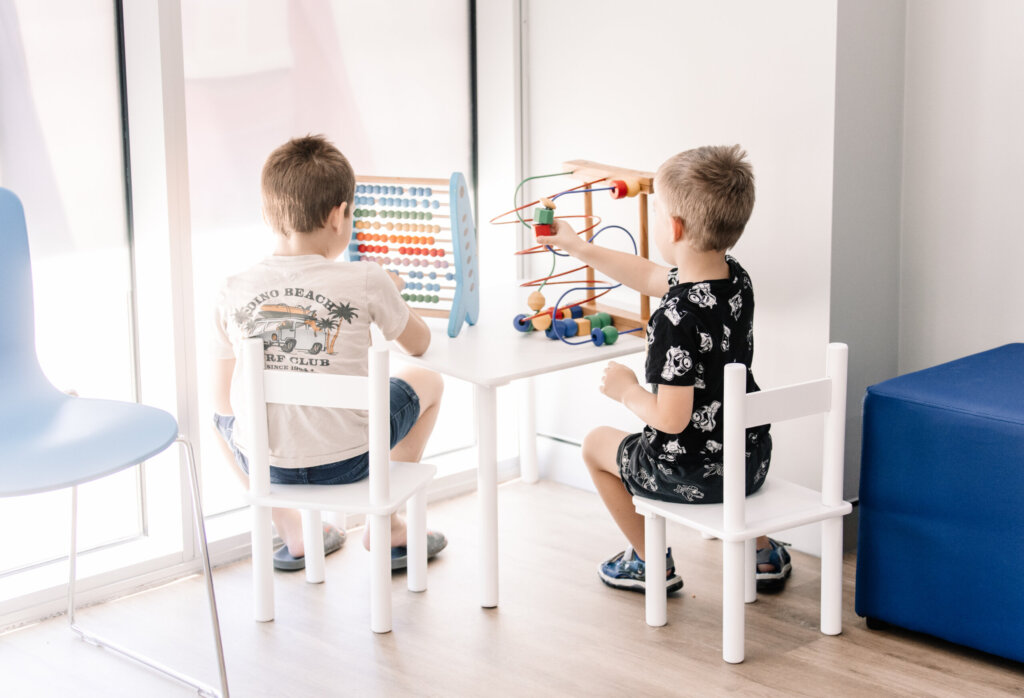
The kid who ‘can’t see what’s right in front of them’:
This student has low registration of visual input, meaning that they find it difficult to ‘filter out’ the unimportant visual information they are receiving in order to concentrate where they need to.
We can help this student by:
- Use a viewing window on worksheets and in text to minimise unnecessary visual input on the page;
- Decreasing visual clutter on the students’ desk;
- Simplifying worksheets;
- Using slope boards to elevate work and bring work into view.
The kid who is “zoning out”:
This student has low registration of general sensory input. These children benefit from alerting sensory activities that can ‘wake up’ the sensory systems and become more alert and attentive.
We can help this student by:
- Providing movement breaks between activities;
- Use dynamic seating options such as the ‘Disc’o’Sit’ movement cushion, Hokki Stool, etc;
- Complete whole-class movement activities such as yoga;
- Regular check in with student to gauge attention.
The kid who is ‘distracted by everything’:
This student is a sensory seeker. They will usually enjoy visual input and look at everything in the room.
We can help this student by:
- Decreasing environmental distractions by reconsidering complicated prints and patterns on clothing, walls, and floors;
- Decreasing distracting visual clutter on the students’ desk;
- Simplifying class worksheets;
- Meeting their need for visual input by providing visually stimulating activities e.g. sensory bottles at specific times, when/ as appropriate.
The kid who ‘can’t see what’s right in front of them’:
This student has low registration of visual input, meaning that they find it difficult to ‘filter out’ the unimportant visual information they are receiving in order to concentrate where they need to.
We can help this student by:
- Use a viewing window on worksheets and in text to minimise unnecessary visual input on the page;
- Decreasing visual clutter on the students’ desk;
- Simplifying worksheets;
- Using slope boards to elevate work and bring work into view.
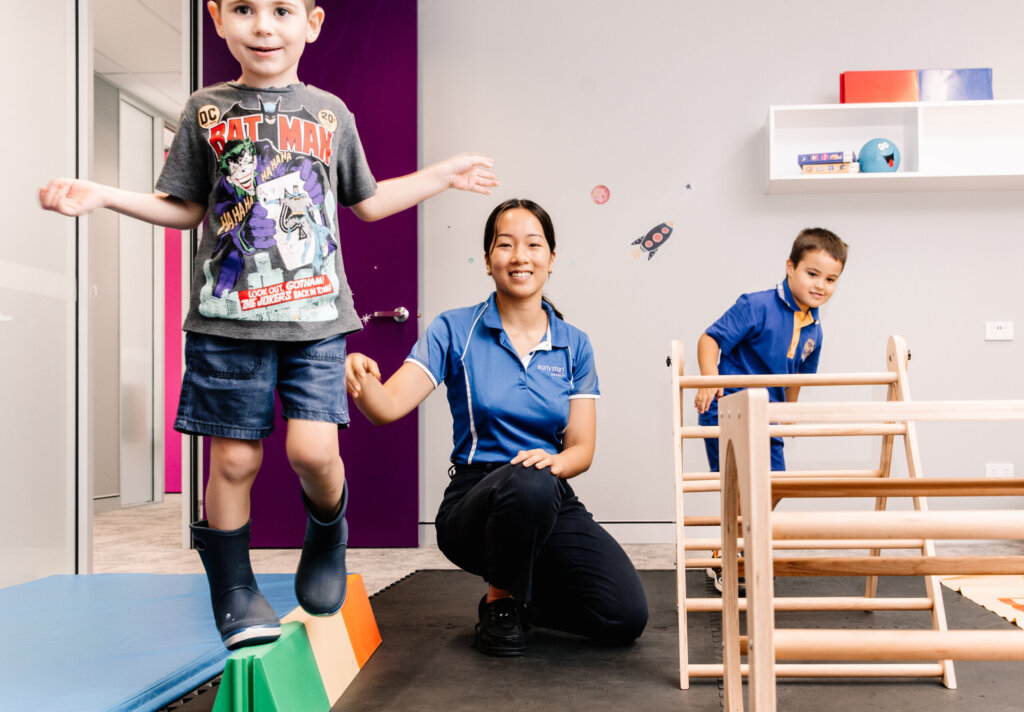
The kid who is “zoning out”:
This student has low registration of general sensory input. These children benefit from alerting sensory activities that can ‘wake up’ the sensory systems and become more alert and attentive.
We can help this student by:
- Providing movement breaks between activities;
- Use dynamic seating options such as the ‘Disc’o’Sit’ movement cushion, Hokki Stool, etc;
- Complete whole-class movement activities such as yoga;
- Regular check in with student to gauge attention.
The kid who is ‘always exploding’:
This student can have a strong social-emotional response to sensory input.
We can help this student by:
- Considering potential behavioural motives for the meltdown and provide a strategy;
- Utilise ‘first, then’ terminology to provide clear guidelines about what is expected in the immediate future and outcome of completing tasks in required order e.g. first finish your puzzle, then we go out to the playground;
- Use a picture schedule or checklist for activity or schedule changes;
- Increase predictability in the sensory environment, for example, warning the student before the school bell rings.
They say ‘you are what you eat’ and we all know that food not only fuels the body but the mind too. We eat nutritious food so our bodies can grow, repair, and function well. Our brain fuels itself in the same way, accounting for around 20% of our total daily energy requirements.
When we choose nutritious foods, we’re providing our body and brain with the building blocks needed to be at our best. From vitamins and minerals to healthy fats and fibre, all nutrients play a role in brain health and function.
Following a healthy pattern of eating is linked with better stress management, improved sleep quality, increased concentration, and better mental wellbeing in general. Just as our food choices affect our physical and mental wellbeing, the opposite is also true – we’re more likely to follow a healthy diet when we’re in a good headspace.
While keeping a balanced diet and eating from the 5 main food groups is key for overall wellbeing, some foods are shown to be linked in improving mental health:
- Anxiety – Fruit, veg and wholegrains
- Mood boosters – Cottage cheese and air popped popcorn
- Concentration – Tuna
- Irritable/feeling unsettled – Quinoa, celery
- Depression – Walnuts and bananas
Listen to Siobhan’s podcast below or visit The Good Foundation’s website for more information.
]]>